Japan · 5 nights · Updated Jun 3, 2026
Kyoto before the tour buses arrive
A five-night Kyoto plan built around early temple mornings, a considered hotel base, and enough pauses to keep the city from becoming a shrine checklist.
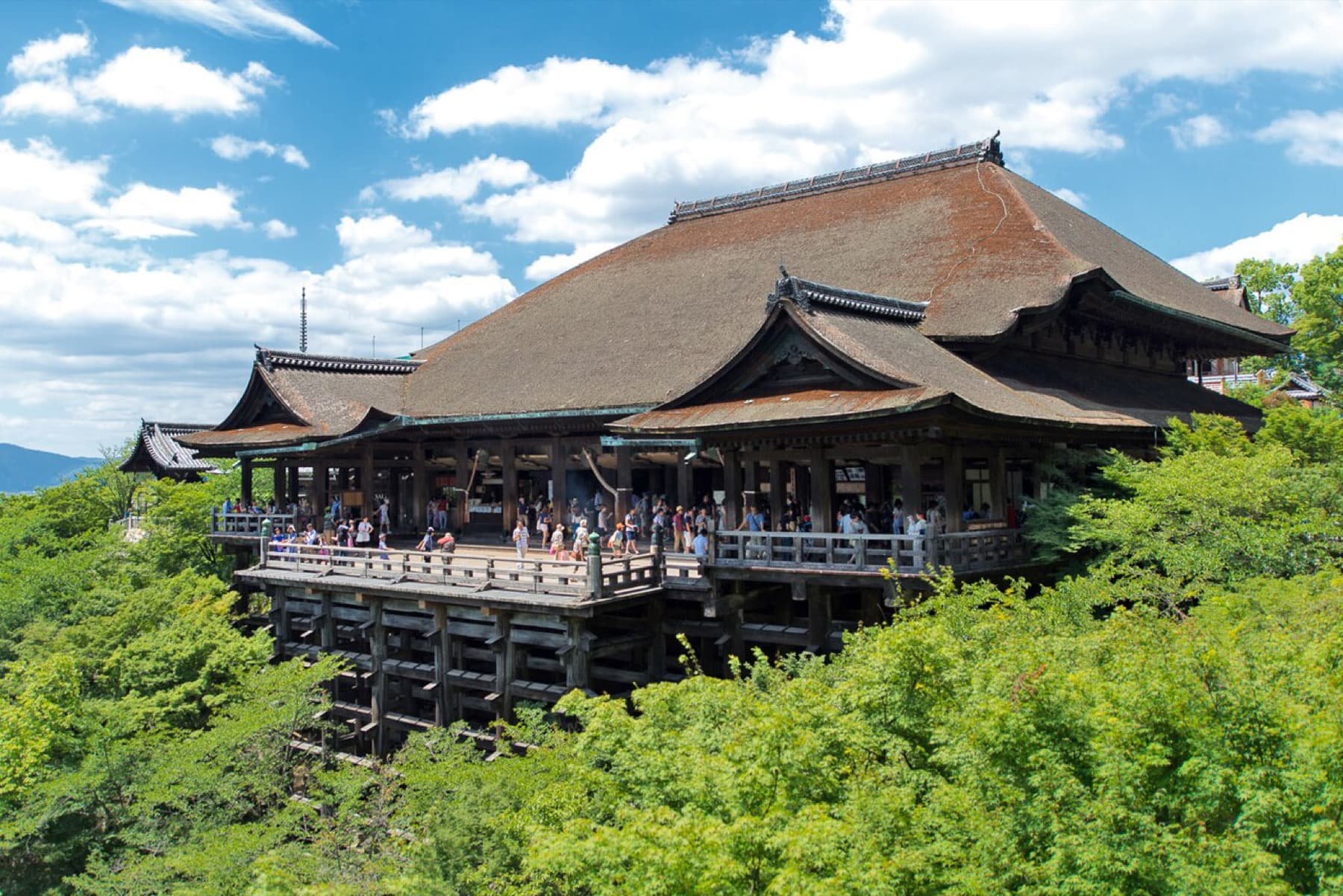
Kiyomizudera temple in Kyoto
Kyoto rewards travellers who start early and stop before the day gets ragged. The city is not difficult to love, but it is easy to mishandle: too many temple transfers, too many buses, too much faith that Arashiyama will feel quiet at midday.
A polished Kyoto trip usually has a simple spine. Stay where morning walks are easy, put Higashiyama and Gion on foot, give Arashiyama its own early start, and save Fushimi for a separate window rather than bolting it onto an already full east-side day.
The best hotel choice depends on the rhythm you want. A Higashiyama base gives you quiet lanes before the tour buses arrive. A riverside or ryokan night adds ceremony, but it works better when it is protected from arrival-day fatigue.
Join 47Air Club for Kyoto
Get member perks, discounts, promotion entries, and giveaway access.
At a Glance
Best length
Five nights, with one ryokan or river stay if the budget allows.
Best months
Late March, May, and November. October can also be excellent with more weather patience.
Best base
Higashiyama for early walking; downtown Kyoto for food, rail access, and easier evenings.
Airport logic
KIX is the main international gateway. ITM is easier for domestic hops and some Tokyo pairings.
Stay where the first walk matters
Kyoto mornings are the premium. A good hotel base lets you reach Kiyomizudera, Sannenzaka, Ninenzaka, or the river before the streets fill. That first hour changes the whole trip.
Park Hyatt Kyoto makes sense when Higashiyama is the centre of gravity and the hotel is part of the occasion. Hoshinoya Kyoto works best as a protected splurge night, not as a base for racing around the city. A downtown stay can be smarter for travellers who care about dinner options, taxis, and easy rail connections.
If the trip includes a ryokan, avoid booking it on the first night after a long-haul arrival. Arrive, sleep, then give the ryokan a day when you can actually notice the meal, bath, and service rhythm.
Give Higashiyama its own morning
Higashiyama is not a place to squeeze between other big plans. Start at Kiyomizudera, move slowly through the preserved lanes, and let the morning dissolve toward Maruyama Park, Yasaka Shrine, or a quiet lunch.
The famous streets are worth seeing, but they do not need to own the entire day. The better version is an early temple, a long walk, one proper food stop, and a hotel pause before Gion or Pontocho in the evening.
Trying to add Fushimi Inari, Arashiyama, and Higashiyama into the same day creates the Kyoto trip everyone complains about later.
Arashiyama needs an early start
Arashiyama is beautiful and often overcrowded. Go early, treat the bamboo grove as one short moment, then move toward the river, Tenryu-ji, Okochi Sanso, or a quieter temple farther from the station.
The day works better when it is not loaded with another distant district. Eat nearby, walk the Katsura River, and leave before the late-afternoon transfer starts to feel like a commute.
Use Fushimi as a sake afternoon
Fushimi Inari is most atmospheric early or later in the day, especially if you walk beyond the first dense gates. It pairs naturally with the Fushimi sake district, where the old breweries give the area a slower texture than central Kyoto.
For a premium trip, Fushimi is not just a photo stop. Build it into a half-day with sake, water, and a less hurried return to dinner.
Five-Day Shape
Day 1
Arrive and stay close
Transfer from KIX or ITM, walk the hotel neighbourhood, and keep dinner simple. Kyoto is better when the first night is not ambitious.
Day 2
Higashiyama before the crowds
Start at Kiyomizudera, move through Sannenzaka and Ninenzaka, then use the afternoon for a long lunch, Maruyama Park, or a hotel pause.
Day 3
Arashiyama early
Reach the bamboo grove before the buses, then shift toward Tenryu-ji, the river, and a quieter temple or garden.
Day 4
Fushimi and sake
Walk Fushimi Inari beyond the first gates, then give the sake district enough time to feel like a real stop.
Day 5
One open Kyoto day
Use the last day for Nishiki Market, a tea appointment, a garden, or a return to the area that worked best.
Useful Links
FAQs
How many nights should I spend in Kyoto?
Five nights gives Kyoto room to breathe. Three nights can work, but it usually forces Arashiyama, Higashiyama, and Fushimi into a rushed sequence.
Where should I stay in Kyoto?
Higashiyama is the most atmospheric base for early walks. Downtown Kyoto is easier for food, taxis, and rail access.
Is Arashiyama worth it?
Arashiyama is worth it with an early start and a light day around it. It is less rewarding as a crowded midday transfer.
Should I add Osaka or Nara?
Add one only if Kyoto already has enough time. Nara is the cleaner day trip; Osaka works better as a separate food-focused night.